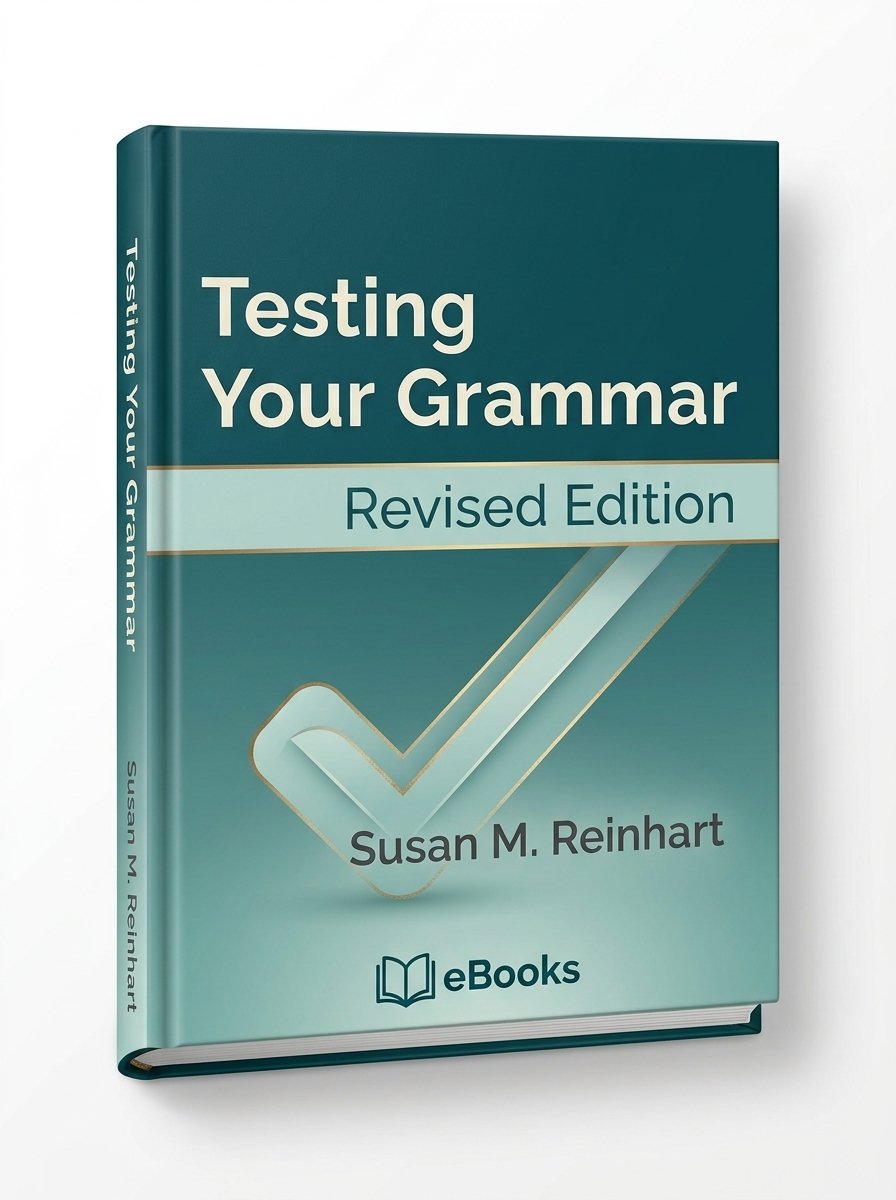
TESTING YOUR GRAMMAR is more than a classroom exercise—it is a vital checkpoint for clear communication. Whether you write emails, create reports, or speak in meetings, your grammar shapes how others perceive your professionalism. Regular self-assessment helps identify weak spots, from subject-verb agreement to punctuation misuse. By actively testing your grammar, you move beyond guesswork and build confidence. This article outlines five focused areas to evaluate and improve your grammar skills.
Common Traps in Verb Tenses
Verb tense errors often slip past unnoticed. Mixing past and present within a single sentence confuses readers. For example, “She walks to the store and bought milk” blends present and past incorrectly. Testing your grammar for tense consistency ensures logical time flow. Practice by writing short paragraphs about daily routines, then highlight every verb. Check if each tense matches the intended timeline. Over time, this habit reduces random shifts and strengthens narrative clarity.
Spotting Subject-Verb Agreement
Singular subjects need singular verbs; plural subjects need plural verbs. Yet interruptions like prepositional phrases cause mistakes. “The basket of apples are fresh” should read “is fresh” because “basket” is singular. Testing your grammar here means ignoring phrases between subject and verb. Create ten sentences with distracting clauses and check agreement. Read them aloud—ear training catches errors eyes might skip. Mastering this rule polishes both writing and speaking instantly.
Mastering Pronoun Clarity
Every pronoun must clearly refer to a specific noun. Vague usage, such as “They said it’s raining,” leaves the reader guessing who “they” are. Testing your grammar for pronoun clarity involves circling every “he,” “she,” “it,” “they,” or “we.” Ask: Does the noun appear nearby? Replace ambiguous pronouns with exact nouns or restructure the sentence. This simple check prevents misunderstandings and makes your message more authoritative.
Untangling Misplaced Modifiers
Modifiers like “almost” or “only” change meaning based on position. “I almost ate all the cookies” means you came close but didn’t eat any. “I ate almost all the cookies” means you left a few. Testing your grammar for modifier placement requires moving words around and noting meaning shifts. Challenge yourself with five tricky sentences each week. Precision here shows advanced command of English and avoids unintentional humor or confusion.
Punctuation That Changes Everything
A missing comma or wrong apostrophe alters intent. “Let’s eat, Grandma” differs drastically from “Let’s eat Grandma.” Testing your grammar with punctuation quizzes highlights dangerous zones like commas with conjunctions or possessive apostrophes. Copy a paragraph, remove all punctuation, then re-add it. Compare with the original. This exercise reveals overlooked rules. Strong punctuation turns good grammar into great writing, ensuring your true meaning always comes through.